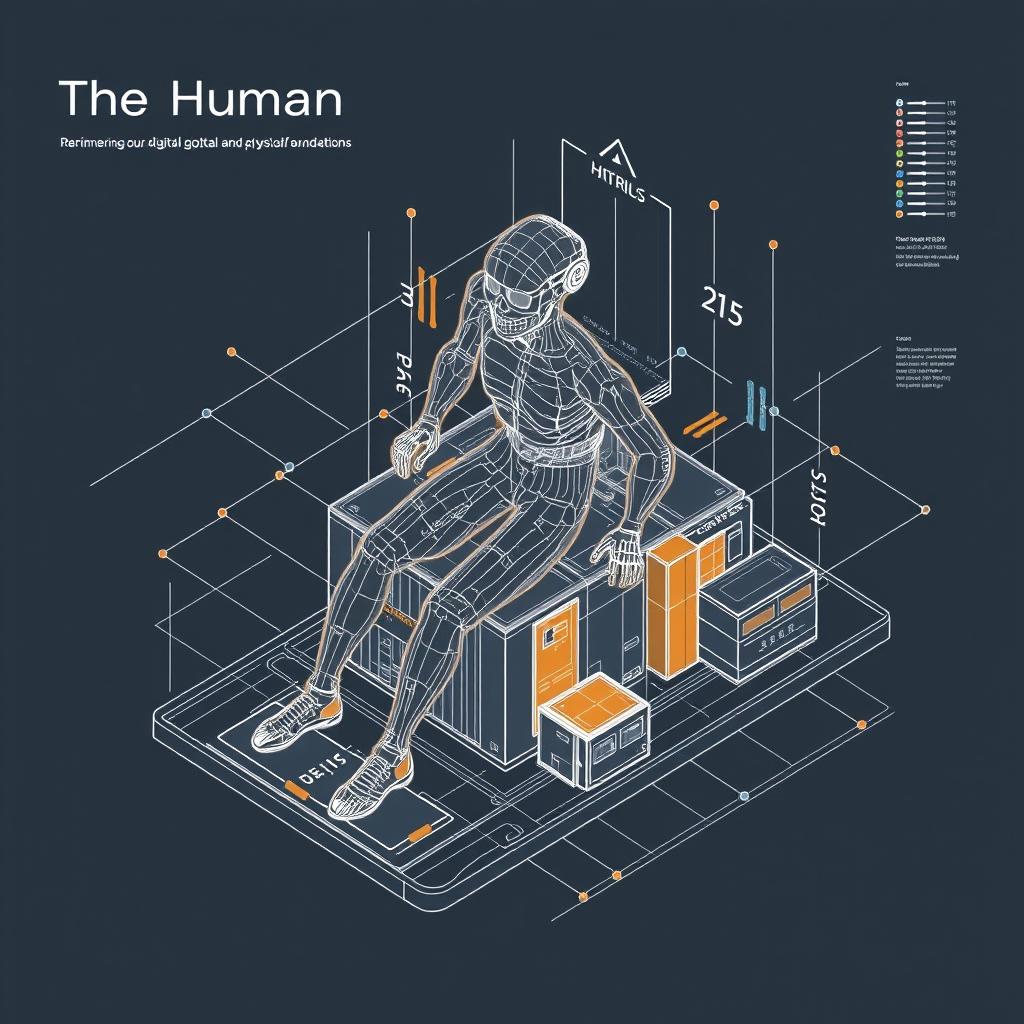
While our recent analysis of artificial vision took us from living rooms to the high-precision sensors of Low Earth Orbit, the most critical engineering challenges often remain closer to home. Earlier this month, we discussed the structural costs of systemic reinforcement; today, we expand that “buffer” concept to the human layer. At Ambiente Ingegneria, we view reinforcement not merely as a technical requirement, but as a commitment to the standards that protect our daily lives.
As engineers, we don’t just build systems; we build safety nets. Here is how the latest shifts in technology and infrastructure are reinforcing your world:
Veracity as a Standard in AI
The news that major AI developers are now dedicating 20% of their resources to “alignment” marks a pivotal shift from raw computational power to ethical stability. For us, this is a victory for standards. Alignment is the technical process of ensuring Machine Learning models act according to human intent. By integrating LLM Assistants that prioritize veracity, we can actively combat the spread of fake news and digital bullying. Data analysis is only as valuable as the truth it preserves.
The Precision of Climate Control
The investment of 2.558 billion euros to climatize schools and residences by 2030 is a vital reinforcement of public health. In engineering terms, this is about maintaining a strict metric of well-being. Whether we are measuring a 1-degree Celsius shift in a classroom or the 1,200 km range of a new PHEV SUV, precision matters. Proper thermal reinforcement ensures that our most vulnerable—children and the elderly—are protected from environmental volatility through standardized, efficient infrastructure.
Securing the Digital and Physical Commute
With public institutions facing up to 50 ciberattacks daily, the reinforcement of digital perimeters is no longer optional. At our studio, we address this by developing robust Django and Flask back-ends that act as a structural buffer for your data. This digital security mirrors the need for physical safety on our roads, especially on Tuesdays—statistically the most critical day for traffic accidents. Whether through code or concrete, our goal is to minimize risk through data-driven analysis and the rigorous application of safety protocols.